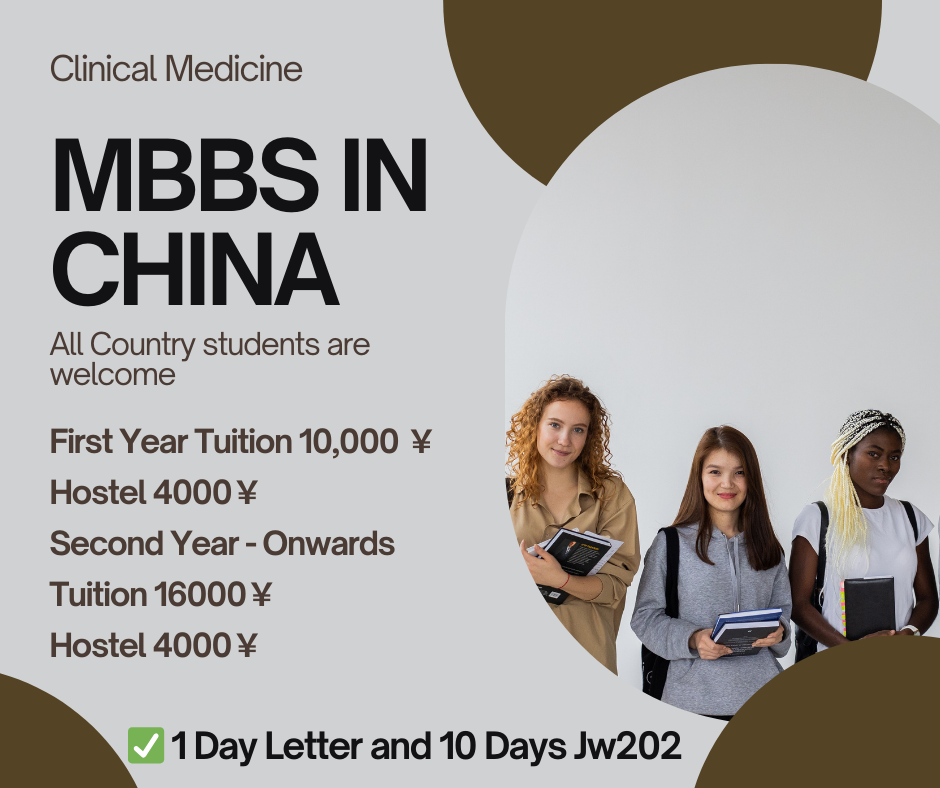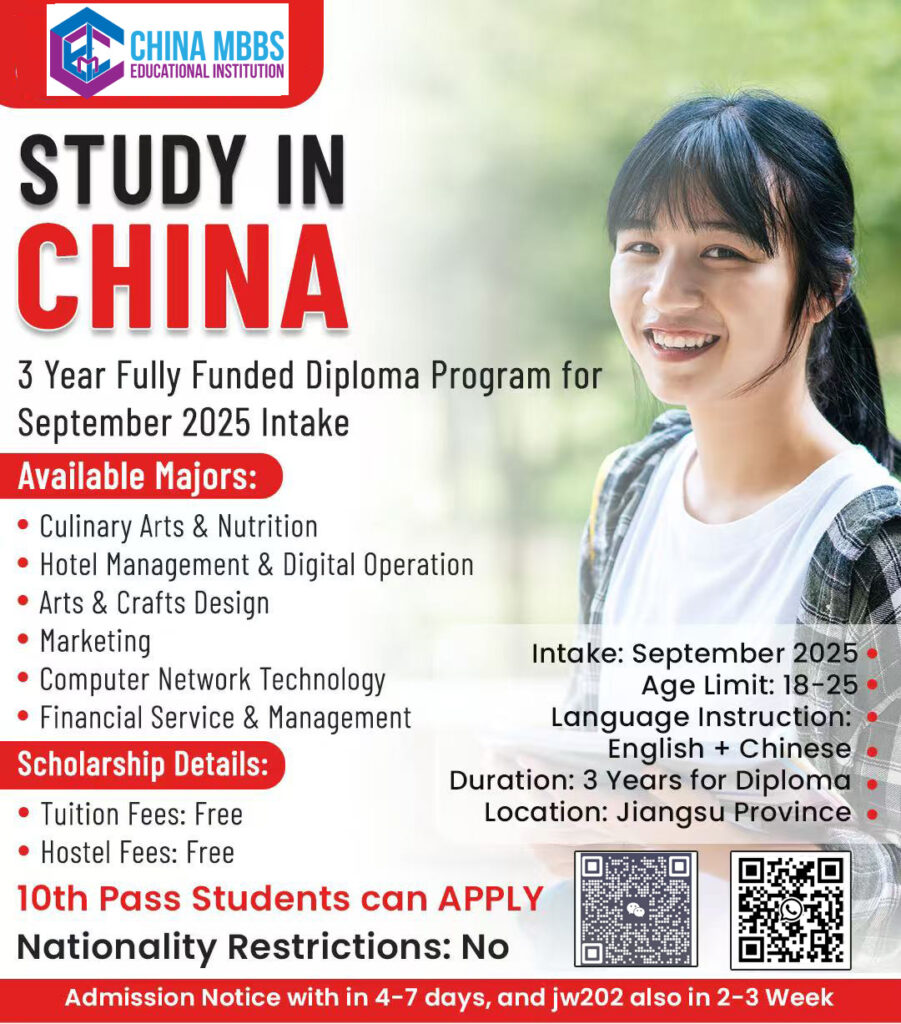

Medical college fees keep climbing. Fast too. Families save for years, students study day and night and then the final number shows up. Huge. Way bigger than expected. That is one reason MBBS admission in China keeps getting attention from international students now.
Chinese medical universities welcome students from India, Nepal, Bangladesh, Africa and many other countries every year. Fees are lower. Campuses are modern. Classes in English are available in many universities. Sounds simple at first, right? Well, not fully. Admission paperwork can get messy very quickly. One missing signature, one wrong document scan and things suddenly slow down.
This blog breaks the whole thing down in a clean, easy way. No complicated wording. No lecture-style explanations.
Why Students Choose China for MBBS
China spent years improving medical education. Big hospitals. Better labs. International student offices. Many universities now work hard to attract international students because the demand keeps growing.
Three reasons stand out the most:
- Lower tuition fees compared to private medical colleges in many countries
- English-medium MBBS programs for international students
- Clinical training in large teaching hospitals with real patient exposure
Recognition matters too. Students usually look for universities approved by the WHO and accepted under the NMC guidelines. That part becomes important later during licensing exams back home.
Campus life also surprises many students. In a good way, mostly. Some universities feel like mini cities. Cafes, sports areas and libraries open late at night. Busy places. Loud sometimes.
Eligibility Requirements for MBBS Admission in China
The admission rules are not very difficult, though each university may follow slightly different policies.
Most students need higher secondary education with Physics, Chemistry and Biology. Indian students generally require a NEET qualification. Passport validity also matters more than people expect. Expiring passports create delays all the time.
Age requirements usually begin at 17 years.
English tests are not always compulsory. Still, students should understand English comfortably because medical subjects move quickly once classes start. Anatomy alone can feel like learning another language. Honestly, it kind of is.
Understanding the China MBBS Admission Process
The China MBBS admission process follows a step-by-step structure. Problems usually happen when students rush everything at the last minute.
Choosing the Right University
Picking a university based only on low fees can become a mistake later. Cheap tuition does not always mean good training or proper hospital exposure.
Students usually compare:
- University recognition and global approval status
- Hospital partnerships and internship opportunities
- Tuition fees, hostel costs and local living expenses
Top universities often close admissions early because international seats fill quickly.
Preparing Documents
This part looks easy until the paperwork starts spreading across the table like a storm has hit the room.
Universities normally ask for academic records, passport copies, photographs, medical reports and application forms. Indian students also submit NEET scorecards.
Tiny errors matter here. One spelling mismatch between documents can create visa problems later. Careful checking saves a lot of stress.
Receiving the Admission Letter
After verification, universities issue official admission letters and visa invitation forms like JW202 or JW201.
Processing speed depends on the university and the intake season. Some students receive approvals quickly. Others wait weeks. That waiting period feels long. Very long sometimes.
Student Visa Process
International students generally apply for the X1 student visa. Embassies may request original documents, photographs, medical test reports and university approval papers. Some countries also conduct visa interviews before approval.
Late visa applications often create panic because flight tickets and hostel bookings depend on approval timing too.
Arrival and Registration in China
Students complete final university registration after arriving in China. Some universities repeat medical tests during enrollment.
Most campuses help students with:
- Hostel room allocation
- Local registration formalities
- Orientation support for international students
The first few weeks feel strange for many students. Different weather. Different food. Different sounds everywhere. That adjustment phase is completely normal.
Why Students Use Consultants for MBBS in China

Many families work with consultants for MBBS in China because the process involves several moving parts at once.
A reliable consultant usually helps students choose universities, organise paperwork, submit applications and understand visa requirements. Guidance becomes useful especially for students applying abroad for the first time.
Not every consultant is trustworthy, though. Some agencies focus more on commissions than student outcomes. That part deserves attention. Students should always verify university approvals and fee details independently before making decisions. Good guidance reduces mistakes. Poor guidance creates bigger headaches later.
Common Mistakes Students Should Avoid
Students sometimes rush toward admission without checking long-term details properly. That usually causes trouble later.
Applying through unofficial agents is one common mistake. Incomplete documents are another. Even blurry passport scans can delay approval.
Late applications also reduce university choices because many medical universities stop accepting students once seats are filled. Slow planning beats rushed decisions almost every time.
Career Opportunities After MBBS in China
MBBS graduates in China are required to go home to take licensing tests or postgraduate courses. Some seek an internship, research work or hospital training.
Clinical exposure during medical training helps students understand real hospital environments better. Large teaching hospitals in China often handle huge patient numbers every day, which improves practical learning.
Medicine is one of those careers where learning never fully ends anyway. New systems. New treatments. New exams. Constant movement.
Conclusion
Major decisions include studying medicine overseas which incurs both financial and career-wise costs. The process can be made less stressful and much easier with careful university choice, documentation and early preparation which will help international students to be less stressed. The Chinese medical universities are still appealing to students since the affordability, combined with the pragmatic training and the global stature still makes sense to most families. Trusted support from experienced organisations like China MBBS Educational Institution can also help students complete the journey with more confidence and fewer mistakes.
FAQs
What is the minimum eligibility for MBBS admission in China?
Students usually need PCB subjects in higher secondary education along with valid academic documents and passport records.
Is NEET compulsory for Indian students?
Yes. Indian students generally need NEET qualification for MBBS admission in China.
How long does the China MBBS admission process take?
The process may take several weeks depending on university verification and visa approvals.
Are Chinese medical universities internationally recognised?
Many universities are recognised by WHO and accepted by medical authorities in different countries.