
2026 Guide
MBBS in China Fees 2026
Complete Tuition Fees, Hostel Costs, Living Expenses & Budget Guide for International Students
Why This Guide Matters
📅 Last Updated: July 2026 ✓
Planning to study medicine abroad? Understanding the complete MBBS in China fees is one of the most important steps before choosing a university. The total cost includes much more than tuition—it also covers hostel accommodation, living expenses, medical insurance, visa fees, travel costs, and other essential expenses that vary between universities and cities.
This comprehensive guide explains the MBBS in China fees for Indian and international students in 2026, including annual tuition fees, estimated living costs, scholarship opportunities, hidden expenses, and practical budgeting tips. Whether you’re comparing universities or calculating your total six-year investment, this guide provides reliable information to help you make an informed decision.
💡 Why Read This Guide?
- Tuition, hostel & living cost comparison
- Scholarships & financial aid options
- First-year and total MBBS budget planning
- Links to NMC-recognized universities
- Updated for 2026 admissions
Looking beyond tuition fees? Explore our complete guide to
MBBS in China for International Students to learn about eligibility, NMC-recognized universities, admission requirements, scholarships, and student life before making your final decision.
MBBS in China Fees at a Glance
The following figures provide a quick overview of the typical costs international students should expect when planning an MBBS degree in China. Detailed explanations are provided in the sections below.
💰 Annual Tuition
✅ USD 2,500–6,000
✨ Tuition fees vary depending on the university, program, and scholarship availability.
🏠 Hostel Accommodation
✅ USD 600–1,200 / year
✨ Accommodation costs vary depending on the university, room type, and campus facilities.
🍜 Monthly Living Cost
✅ USD 250–500
✨ Living costs vary depending on the city and lifestyle.
🎓 Course Duration
✅ 5 + 1 Years
✨ Five academic years plus one year of internship (depending on university requirements).
🏥 Scholarships
✅ Available
✨ Merit-based and university-specific MBBS scholarships in China may be available for eligible international students.
💰 Average Total Investment
✅ USD 20,000–40,000
✨ Approximate total cost for the entire MBBS program (tuition + accommodation + living expenses).
📌 Important: These figures are approximate averages. Actual tuition fees and living expenses vary depending on the university, city, accommodation type, and annual policy updates.
Table of Contents
💡 Did You Know?
A difference of just USD 100 per month in living expenses adds up to more than USD 7,000 over a six-year MBBS program. Comparing both tuition fees and city living costs can significantly reduce your overall education expenses while maintaining the same academic quality.
Understanding MBBS in China Fees
Why Do MBBS Fees in China Vary Between Universities?
In general, higher tuition doesn’t always mean a better medical education, making it important to compare the complete value offered by each university. One of the most common questions students ask is why the tuition fees for MBBS programs in China are different from one university to another. Although all recognized medical universities follow rigorous academic standards, several factors influence the overall cost of studying medicine.
Quick Tip: Comparing total annual costs — not just tuition fees — will help you choose the most affordable MBBS university in China.
Government-supported universities generally receive funding for infrastructure, teaching hospitals, and research facilities, helping them maintain competitive tuition fees while delivering high-quality education. Universities located in larger cities may have slightly higher costs because of greater operational expenses and higher demand from international students. Institutions with extensive research facilities, internationally recognized faculty, and modern simulation laboratories may also charge higher tuition fees. MBBS tuition fees in China vary depending on factors such as the university, city, government funding, teaching hospitals, campus facilities, and scholarship availability.
Rather than comparing tuition fees alone, students should evaluate the overall value offered by each university, including academic quality, campus facilities, clinical training opportunities, and the cost of living in the surrounding city.
What Does the Tuition Fee Usually Include?
Many students assume that tuition fees cover every aspect of their education. In reality, tuition primarily covers the academic component of the MBBS program, while certain additional services may be billed separately depending on the university.
In most cases, annual tuition fees include:
- Classroom teaching and lectures
- Practical laboratory sessions
- Clinical training as outlined in the curriculum
- Access to university libraries
- Learning management systems and digital resources
- Campus facilities and student support services
- Academic supervision by faculty members
However, tuition fees may not include accommodation, meals, medical insurance, residence permit renewals, textbooks, or personal living expenses. Students should always review the official fee structure of their chosen university before confirming admission.
| ✅ Typically Included in Tuition | ❌ Usually Paid Separately |
|---|---|
| Classroom teaching | Hostel fees |
| Laboratory sessions | Meals |
| Library access | Medical insurance |
| Clinical training | Visa & residence permit |
| Academic supervision | Personal expenses |
What Makes Up Your MBBS Budget?
- 🎓 Tuition Fees
- 🏠 Hostel Accommodation
- 🍽 Living Expenses
- 🩺 Medical Insurance
- 📄 Visa & Residence Permit
- 📚 Study Materials
- 👤 Personal Expenses
Understanding the Total Cost of Studying MBBS in China
💰 Your Complete MBBS Budget Includes:
✅ Tuition Fees
✅ Hostel Accommodation
✅ Food & Daily Living
✅ Transportation
✅ Medical Insurance
✅ Residence Permit
✅ Study Materials
✅ Personal Expenses
Looking beyond tuition fees helps students and parents prepare a realistic budget for the entire MBBS program.
Why China Continues to Offer Affordable Medical Education
Compared with many countries offering medical education, China continues to provide excellent value through a combination of government investment, modern teaching hospitals, and relatively affordable living costs in many student cities. Despite offering internationally recognized medical education, many Chinese universities benefit from substantial government investment, allowing them to keep tuition fees significantly lower than many private medical schools in other countries.
Several factors contribute to this affordability:
- Public investment in higher education
- Large network of teaching hospitals
- Affordable on-campus accommodation
- Well-developed public transportation
- Competitive cost of living in many provinces
- Availability of merit-based scholarships at selected universities
For international students, this means access to internationally recognized medical programs without the exceptionally high tuition fees associated with some other destinations.
Choosing the Right University Is About More Than Tuition
While tuition fees are an important consideration, they should never be the only deciding factor. Students should also compare university recognition, teaching hospitals, campus facilities, scholarship opportunities, clinical exposure, and the overall student experience before making a final decision.
👉 Compare the Top Medical Universities in China before choosing your MBBS destination.
Planning Your MBBS Budget with Confidence
Creating a complete education budget before applying helps students and parents plan with confidence. By considering tuition fees, accommodation, living expenses, insurance, and other study-related costs, you can avoid unexpected financial pressure during your MBBS journey.
In the following sections, we’ll break down each major cost — including tuition fees, hostel accommodation, living expenses, scholarships, and hidden costs — so you can estimate your total MBBS budget with confidence.
🩺 ChinaMBBS Expert Insight
Complete Fee Structure
Understanding the Complete MBBS in China Fee Structure
When planning your medical education abroad, it is important to understand that the MBBS in China fee structure consists of much more than annual tuition fees. While tuition forms the largest part of your educational investment, international students should also budget for accommodation, medical insurance, visa-related expenses, books, transportation, and day-to-day living costs.
A clear understanding of these expenses helps students and parents estimate the total cost of studying MBBS in China before making a final university selection. The exact amount varies depending on the medical university, the city, your lifestyle, and whether you qualify for MBBS Scholarships in China or financial assistance.
To make budgeting easier, we have divided the fee structure into three categories:
- One-time expenses before and upon arrival in China
- Annual university expenses during your MBBS program
- Monthly living expenses while studying
This approach provides a more realistic picture of your overall financial commitment than looking at tuition fees alone.
💰 Compare MBBS Fees at Popular Medical Universities in China
While tuition fees are an important factor, choosing the right medical university also depends on the city, hostel costs, academic reputation, and overall living expenses. The comparison below provides an estimated overview to help you make an informed decision.
| University | Annual Tuition | Hostel / Year | Estimated 6-Year Cost | Best For |
|---|---|---|---|---|
| Shihezi University | ¥30,000 | ¥5,000 | ₹25–28 Lakhs | ⭐ Best Overall Value |
| Yangzhou University | ¥32,000 | ¥7,000 | ₹30–33 Lakhs | 🌿 Balanced Education & Affordable Living |
| Jilin University | ¥33,000 | ¥6,000 | ₹30–33 Lakhs | 🔬 Research & Clinical Training |
| Chongqing Medical University | ¥35,000 | ¥7,000 | ₹32–35 Lakhs | 🏥 Extensive Clinical Exposure |
| Suzhou University | ¥32,500 | ¥6,000 | ₹32–36 Lakhs | 🏛️ Prestigious University & Modern City |
| Qingdao University | ¥30,000 | ¥12,000 | ₹35–38 Lakhs | 🌊 Coastal City Experience |
| Zhejiang University | ¥43,000 | ¥7,000 | ₹42–45 Lakhs | 🏆 Top Academic Reputation |
| Tianjin Medical University | ¥48,000 | ¥11,600 | ₹50–53 Lakhs | 🩺 Clinical Training Excellence |
One-Time Expenses Before Starting Your MBBS Journey
These are expenses that are generally paid once before departure or during your first few weeks in China.
| EXPENSE | PURPOSE | ESTIMATED COST (USD) |
|---|---|---|
| Application Processing | University application and document review | 50–200 |
| Student Visa | Visa application and issuance | 60–120 |
| Medical Examination | Pre-departure health check | 50–150 |
| Airfare | One-way international flight | Depends on country of departure |
| Residence Registration | Local registration after arrival | University dependent |
| Initial Personal Items | Bedding, kitchen essentials, stationery | 100–300 |
Why Students Often Forget These Expenses
These one-time expenses are often overlooked when families compare universities based only on tuition fees. Although they represent a relatively small portion of the overall investment, planning for them in advance can help students settle into campus life more comfortably and avoid unexpected costs during the first few weeks.
Hostel Accommodation
Most international students choose university-managed accommodation because it is affordable, convenient, and located close to classrooms and teaching hospitals.
Hostel fees generally depend on:
- Room type (single, double, or shared)
- Air conditioning and heating
- Private or shared bathroom
- Internet availability
- Campus location
Living on campus also reduces daily transportation expenses and allows students to become part of the international student community. Most Chinese medical universities offer separate hostels for international students, with furnished rooms, internet access, laundry facilities, and campus security.
Residence Permit Renewal
After arriving in China with a student visa, international students are generally required to obtain or renew their residence permit according to local regulations. Universities usually guide students through this process, although government processing fees may apply. Residence permit renewal is normally completed with assistance from the university’s international student office.
Annual University Expenses
Once enrolled, students typically pay several recurring charges each academic year.
| EXPENSE | TYPICAL FREQUENCY |
|---|---|
| Tuition Fees | Annual |
| Hostel Accommodation | Annual |
| Medical Insurance | Annual |
| Residence Permit Renewal | Annual |
| Laboratory or Practical Fees (if applicable) | University dependent |
| Academic Materials | As required |
Tuition Fees
The MBBS in China tuition fees vary depending on the university, program, and location. Government-supported medical universities generally offer excellent value by combining internationally recognized education with comparatively affordable tuition.
Instead of focusing solely on the lowest tuition fee, students should evaluate what is included, such as teaching facilities, laboratory access, clinical training, digital learning resources, and student support services.
👉 Explore the complete fee structure of the Top Medical Universities in China.
Medical Insurance
Medical insurance is compulsory for international students enrolled in Chinese universities. It provides financial protection for eligible medical treatments during your studies and is usually renewed annually according to university regulations.
Compared with many other countries, the cost of student medical insurance in China remains relatively affordable.
Student medical insurance in China typically covers emergency treatment, hospitalization, and certain outpatient medical services according to university and insurance policy guidelines.
Monthly Living Expenses
In addition to university fees, students should plan for their everyday living expenses.
| EXPENSE | ESTIMATED MONTHLY COST (USD) |
|---|---|
| Food & Groceries | 120–250 |
| Local Transportation | 15–40 |
| Mobile & Internet | 10–30 |
| Laundry | 10–25 |
| Personal Shopping | 30–80 |
| Entertainment & Leisure | Depends on lifestyle |
| 👉 These figures are intended as general estimates and may vary based on the city and individual spending habits. | |
Living Costs Depend on Your Lifestyle
The living cost in China for international students can differ significantly between cities. Students studying in metropolitan areas may spend more on dining and entertainment, while those in smaller university cities often benefit from lower daily expenses.
Practical budgeting, using public transportation, and cooking occasional meals can help students manage their monthly expenses efficiently without affecting their overall university experience.
Students studying in cities such as Qingdao, Jinan, or Shihezi often enjoy a lower cost of living compared with Beijing or Shanghai.
👉 “Learn more about accommodation, transportation, food, and everyday student life in China.”
Optional Student Expenses
While not compulsory, students may wish to budget for additional activities during their studies.
These could include:
- Weekend travel
- Winter clothing
- Gym memberships
- Club activities
- Language courses
- Professional certification exams
- Personal electronics
- Graduation photographs
Including these optional costs in your financial planning provides a more realistic estimate of your total investment over the duration of the MBBS program.
MBBS Abroad Cost Comparison
The following table compares the estimated annual cost of studying MBBS in China with other leading destinations. Actual expenses may vary depending on the university and city.
| Country | Average Annual Tuition (USD) | Estimated Monthly Living Cost (USD) | Degree Duration | Overall Affordability |
|---|---|---|---|---|
| China | $3,500–6,500 | $250–500 | 6 Years | ⭐⭐⭐⭐⭐ |
| Russia | $3,500–8,000 | $300–600 | 6 Years | ⭐⭐⭐⭐☆ |
| Kazakhstan | $3,000–5,500 | $250–450 | 5–6 Years | ⭐⭐⭐⭐☆ |
| Philippines | $4,000–7,000 | $350–700 | 5.5–6 Years | ⭐⭐⭐☆☆ |
| Note: The figures above are approximate estimates for comparison purposes only. Actual tuition fees and living expenses vary by university, city, exchange rates, and individual lifestyle. | ||||
A university with slightly higher tuition fees may actually be more affordable overall if it offers lower hostel charges, scholarships, or is located in a city with a lower cost of living. Comparing the complete annual budget rather than tuition fees alone can help you make a smarter long-term decision.
🎓 MBBS in China for International Students
A complete guide covering eligibility, admissions, universities, student life, and more.
→ Read the Complete Guide
🏥 Top Medical Universities in China
Compare medical universities based on tuition fees, rankings, recognition, and campus facilities.
→ Compare Universities
💰 MBBS Scholarships in China
Learn about government, provincial, and university scholarships available to international students.
→ Explore Scholarships
📝 MBBS Admission Process in China
Understand the step-by-step admission process, required documents, and application timeline.
→ View Admission Process
🛂 China Study Guide
Everything you need to know about studying medicine in China.
→ Read Visa Guide
💬 Need Help Estimating Your Total MBBS Budget?
Where Does Your MBBS Budget Go?

🎓 Tuition Fees
The largest portion of your education budget is the annual tuition fee, which covers your academic instruction, laboratory sessions, and access to university facilities.

🏠 Accommodation
Most universities provide affordable on-campus accommodation for international students, helping reduce transportation costs while offering a convenient living environment.

🍜 Daily Living
Your monthly expenses include meals, groceries, transportation, mobile services, and personal essentials. These costs vary depending on your lifestyle and the city where you study.

🩺 Additional Academic Expenses
Students should also budget for medical insurance, residence permit renewals, books, winter clothing, and occasional travel throughout the academic year.
Need Personalized Budget Guidance?
Talk to our expert counselors and get a free personalized consultation to plan your MBBS journey.
What Is Included in the MBBS Tuition Fee?
Before comparing tuition fees between universities, it’s important to understand what an MBBS tuition fee actually includes. While tuition structures vary slightly between universities, most government-recognized medical universities provide a similar range of academic services.
In general, tuition fees are designed to support the educational aspects of your MBBS program. However, accommodation, living expenses, and certain administrative charges are usually billed separately. Understanding this distinction helps students compare universities more accurately and avoid unexpected expenses.
| ✅ Usually Included in Tuition Fees | ❌ Usually Paid Separately |
|---|---|
| Classroom lectures and academic instruction | University hostel accommodation |
| Laboratory and practical sessions | Meals and daily food expenses |
| Clinical training (as per curriculum) | Personal shopping and entertainment |
| Library access | Airfare to and from China |
| University learning resources | Student visa application fees |
| Academic supervision | Residence permit renewal fees |
| Campus facilities | Mobile phone and internet services |
| Student support services | Personal medical expenses beyond insurance coverage |
Understanding the Difference Between Tuition and Total Cost
One of the biggest mistakes students make when comparing medical universities is focusing only on annual tuition fees. While tuition is the largest single expense, it represents only one part of the total cost of completing an MBBS degree abroad.
For example, two universities may have similar tuition fees, but one could offer more affordable hostel accommodation or be located in a city with a lower cost of living. Over the duration of the program, these differences can have a meaningful impact on your total budget.
As you continue through this guide, you’ll see how tuition, accommodation, and everyday expenses work together to determine the overall cost of studying MBBS in China.
University Tuition Comparison
Compare MBBS Universities in China by Tuition Fees, Quality, and Overall Value
Choosing a medical university is about much more than finding the lowest tuition fee. While affordability is an important consideration, students should also compare academic reputation, teaching hospitals, campus facilities, location, scholarship opportunities, and overall student experience.
Many internationally recognized medical universities in China offer excellent value, combining quality medical education with competitive tuition fees. However, the total cost of studying can still vary depending on the city, accommodation options, and additional university services.
The comparison below provides a general overview to help you understand how different universities may fit different budgets. For the most up-to-date fee information, we recommend reviewing each university’s dedicated profile.
MBBS University Tuition Fee Categories
| BUDGET RANGE | TYPICAL ANNUAL TUITION | SUITABLE FOR |
|---|---|---|
| 💚 Budget-Friendly | USD 3,000–4,000 | Students seeking affordable education without compromising quality |
| 💙 Moderate | USD 4,000–5,000 | Students looking for a balance between cost and campus facilities |
| ⭐ Premium | USD 5,000+ | Universities in major cities with advanced research facilities and higher living costs |
Featured Medical Universities
The universities below are among the most popular choices for international students. Tuition fees are approximate and may vary depending on scholarships, accommodation options, and annual university updates. Always verify the latest fee structure before applying.
🏛️ Qingdao University
Located in the coastal city of Qingdao, this university is known for its modern teaching hospitals, international student community, and balanced cost of living. It is often chosen by students seeking a combination of academic quality and affordability.
➡ Learn more about MBBS at Qingdao University.
🏛️ Jilin University
Jilin University is one of China’s well-established institutions, offering extensive medical facilities and research opportunities. Students considering this university should compare both tuition fees and the cost of living in Changchun when planning their budget.
➡ View Jilin University details.
🏛️ Shihezi University
Known for offering quality medical education at a competitive cost, Shihezi University is often considered by students looking for an affordable option while still studying at a recognized institution.
➡ Discover Shihezi University.
🏛️ Shanxi Medical University
A popular choice among international students, Shanxi Medical University offers strong clinical training and a welcoming campus environment. It is situated in a city where living expenses are generally manageable compared with larger metropolitan areas.
➡ Explore Shanxi Medical University.
How Should You Compare Universities?
Instead of asking “Which MBBS university has the lowest tuition fee?”, ask these more important questions:
Ask yourself these questions:
✅ Does the university meet my academic goals?
✅ Is the city affordable for my monthly budget?
✅ Are scholarships available?
✅ What accommodation options are offered?
✅ Are teaching hospitals well equipped?
✅ Does the university have a supportive international student community?
Choosing the right university is about finding the best overall value rather than simply the lowest annual tuition fee.
Want detailed information about a specific university?
Explore our individual university guides to compare admission requirements, tuition fees, campus facilities, scholarships, and student life.
Looking Beyond Tuition Fees
Although tuition fees are one of the largest educational expenses, they are only one part of your overall financial plan. The city where you study can significantly influence your monthly budget through differences in accommodation, food prices, transportation, and personal expenses.
In the next section, we’ll compare the cost of living in China‘s most popular student cities, helping you estimate how location can affect your total MBBS budget.
🩺 ChinaMBBS Expert Insight
Living Costs by City
Introduction
While tuition fees are one of the largest educational expenses, they are only part of the overall cost of studying medicine abroad. The city where you choose to study can have a noticeable impact on your monthly budget, influencing accommodation, food, transportation, entertainment, and other day-to-day expenses.
Fortunately, many medical universities in China are located in student-friendly cities where the cost of living remains affordable compared with many other international study destinations. Understanding these differences can help you choose a university that aligns not only with your academic goals but also with your financial plans.
The comparison below provides a general overview of the average monthly living costs for MBBS students in China’s most popular university cities, helping you estimate your total study budget more accurately.
Compare Living Costs by City :
| CITY | OVERALL COST | STUDENT-AFFORDABILITY | BEST SUITED FOR |
|---|---|---|---|
| Qingdao | Low–Moderate | ⭐⭐⭐⭐⭐ | Students seeking a balanced lifestyle |
| Shihezi | Low | ⭐⭐⭐⭐⭐ | Budget-conscious students |
| Taiyuan | Low | ⭐⭐⭐⭐☆ | Affordable university city |
| Hangzhou | Moderate | ⭐⭐⭐⭐☆ | Strong medical education environment |
| Changchun | Moderate | ⭐⭐⭐⭐☆ | Students looking for value and research opportunities |
| Beijing | High | ⭐⭐⭐☆☆ | Metropolitan lifestyle |
| Shanghai | High | ⭐⭐⭐☆☆ | Students preferring a global city experience |
| ⭐ Important: Living costs are estimates and can vary depending on accommodation choices, personal spending habits, and lifestyle preferences. | |||
Living Cost in Qingdao for MBBS Students
Qingdao is one of the most popular destinations for international students due to its pleasant coastal environment, modern infrastructure, and relatively affordable cost of living. The city offers a comfortable balance between academic opportunities and everyday affordability.
Students can enjoy reliable public transportation, diverse dining options, clean surroundings, and convenient access to essential services. Because of its welcoming international community, Qingdao remains a preferred choice for many students seeking quality education without the higher living costs associated with larger metropolitan cities.
Living Cost in Shihezi for MBBS Students with Strong Academic Opportunities
Shihezi is known for its student-friendly atmosphere and comparatively lower living expenses. Many students appreciate the city’s affordable accommodation, convenient transportation, and wide range of local restaurants.
For those looking to manage their expenses carefully while studying at a recognized medical university, Shihezi offers an excellent combination of affordability and academic quality.
Living Cost in Taiyuan for MBBS Students– Affordable and Student-Centered
Home to Shanxi Medical University, Taiyuan is a smaller city that provides a relaxed environment and lower day-to-day expenses compared with many larger Chinese cities. Students often find that transportation, meals, and general living costs are easier to manage, making it an attractive option for those seeking a cost-effective study destination.
The city’s manageable size also allows students to travel conveniently between campus, accommodation, and nearby amenities.
Hangzhou – Modern Facilities with Moderate Living Costs
Hangzhou combines modern urban development with a long-standing reputation for higher education. Students studying here benefit from well-developed public transportation, diverse food options, and a growing international student community.
While living costs may be slightly higher than in smaller cities, they remain reasonable compared with many major global study destinations.
Changchun – Affordable Living with a Strong Academic Environment
Changchun offers international students an affordable lifestyle while providing access to established universities and research facilities. Accommodation, transportation, and daily necessities are generally budget-friendly, allowing students to focus on their studies without excessive financial pressure.
Students who appreciate a quieter academic environment often find Changchun to be a practical choice.
Living Costs in Beijing vs Shanghai for MBBS Students
Beijing and Shanghai are two of China’s largest and most internationally recognized cities. While they offer outstanding transportation systems, cultural attractions, and global networking opportunities, they are also among the more expensive cities for students.
Higher accommodation costs, dining prices, and entertainment expenses mean that students planning to study in these metropolitan areas should prepare for a larger monthly budget. However, careful financial planning and the use of student discounts can still help manage overall expenses effectively.
Student Budget Comparison
💚 Budget-Friendly Cities (USD 180–300/month)
- Lower accommodation costs
- Affordable restaurants
- Cost-effective transportation
- Ideal for students managing a tighter budget
💙 Balanced Cities (USD 250–450/month)
- Moderate living expenses
- Good balance between affordability and lifestyle
- Strong international student communities
⭐ Metropolitan Cities (USD 450–700+/month)
- Higher accommodation costs
- Wider range of lifestyle choices
- Excellent transport and entertainment options
- Suitable for students comfortable with a higher monthly budget
🩺 ChinaMBBS Expert Insight
Unsure Which City Fits Your Budget?
Monthly Budget Planner
Introduction
One of the most common questions international students ask before beginning their medical studies is:
“How much money will I need every month while studying in China?”
The answer depends on several factors, including the city you live in, your lifestyle, accommodation type, and personal spending habits. Fortunately, many student cities in China offer a relatively affordable cost of living, allowing students to enjoy a comfortable lifestyle without excessive monthly expenses.
By creating a realistic monthly budget before arriving in China, students can better manage their finances, avoid unnecessary spending, and focus on their academic goals throughout the MBBS program.
The estimates below are intended as practical planning guidelines and may vary depending on individual circumstances.
Average Monthly Budget :
| EXPENSE CATEGORY | ESTIMATED MONTHLY COST (USD) | NOTES |
|---|---|---|
| 🍜 Food & Groceries | 120–250 | University cafeterias and local restaurants help keep costs reasonable. |
| 🚌 Public Transportation | 15–40 | Student discounts may be available in some cities. |
| 📱 Mobile & Internet | 10–30 | Affordable student mobile plans are widely available. |
| 🧺 Laundry & Household Items | 10–25 | Depends on university facilities and personal usage. |
| ☕ Leisure & Entertainment | 30–80 | Movies, cafés, gym memberships, and social activities. |
| 📚 Books & Study Materials | 10–30 | Some resources may already be available through the university library. |
| 🛍️ Personal Expenses | 30–100 | Clothing, toiletries, and miscellaneous purchases. |
| ⭐ Estimated Monthly Budget: Approximately USD 250–500, depending on the city and lifestyle. | ||
Where Does Your Monthly Budget Go ?
🍜 Food
Food usually represents the largest monthly living expense after accommodation. University cafeterias often provide affordable meal options, while cooking occasionally can further reduce costs.
🚇 Transportation
China's well-developed public transportation systems make it easy for students to travel between campus, accommodation, hospitals, and city attractions without spending heavily.
📱 Communication
Mobile phone plans and internet services are generally affordable, allowing students to stay connected with family, classmates, and university resources.
🎯 Personal Lifestyle
Shopping, cafés, entertainment, and recreational activities vary depending on personal preferences. Planning these expenses in advance helps students maintain a balanced monthly budget.
Monthly Budget Examples :
Note: These examples are illustrative to help students understand how different spending habits can affect their monthly budget. Actual expenses will vary based on the city, accommodation, and personal lifestyle.
⭐ Lives in a University hostel
⭐ Usually eats at the campus cafeteria
⭐ Uses public transportation
⭐ Occasionally travels on weekends

| MONTHLY EXPENSE | ESTIMATED COST |
|---|---|
| 🍜 Food | USD 140 |
| 🚌 Transport | USD 20 |
| 📱 Mobile | USD 15 |
| 🧺 Laundry | USD 12 |
| ☕ Entertainment | USD 30 |
| 🛍️ Personal | USD 45 |
| ⭐ Estimated Monthly Budget: USD 262 | |
Ways to Reduce Monthly Expenses
Students can manage their monthly budget effectively by adopting simple financial habits.
Some practical tips include:
✅ Eating regularly at university cafeterias
✅ Buy used textbooks from senior students whenever possible.
✅ Using student discounts whenever available
✅ Choosing public transportation instead of taxis
✅ Sharing accommodation where appropriate
✅ Purchasing textbooks second-hand or using library resources
✅ Preparing a monthly spending plan
Small savings each month can make a significant difference over the duration of your MBBS program.
🩺 ChinaMBBS Expert Insight
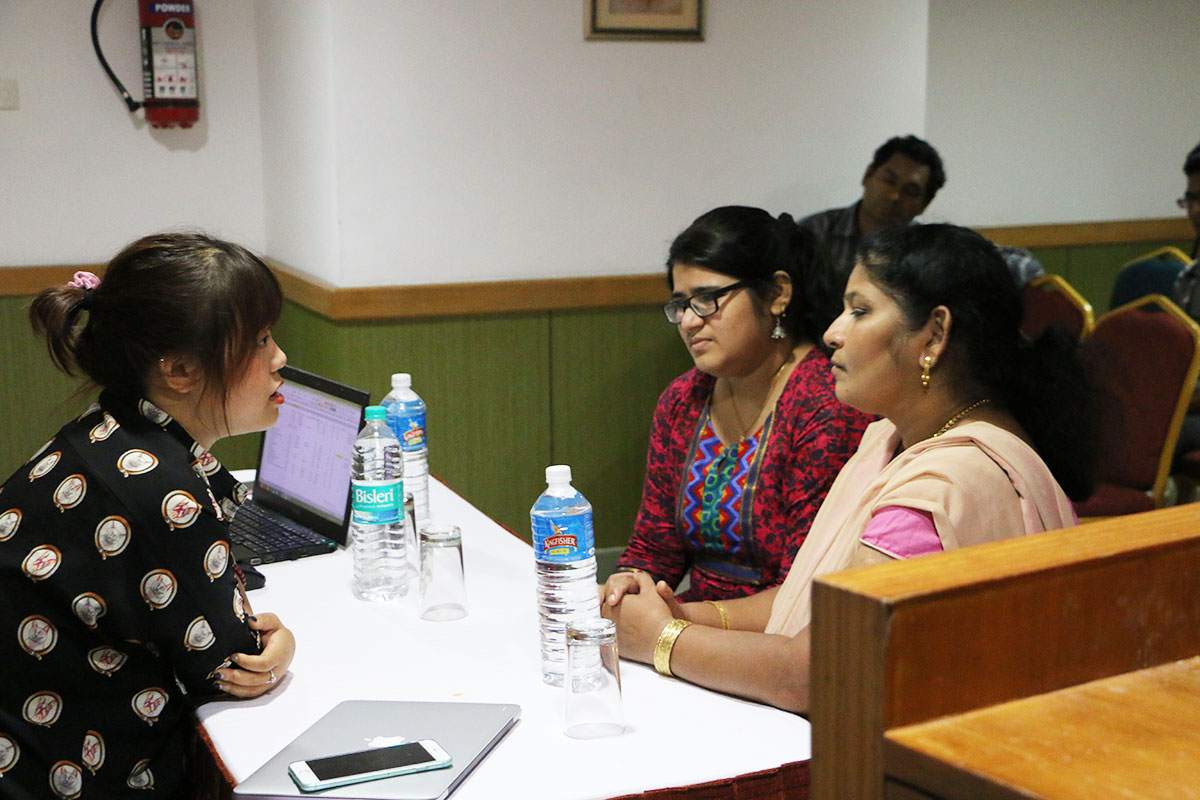
⭐ Lives in a University accommodation
⭐ Mixes campus dining with restaurants
⭐ Enjoys cafés and occasional shopping
⭐ Travels during semester breaks
| MONTHLY EXPENSE | ESTIMATED COST |
|---|---|
| 🍜 Food | USD 190 |
| 🚌 Transport | USD 25 |
| 📱 Mobile | USD 18 |
| 🧺 Laundry | USD 15 |
| ☕ Entertainment | USD 55 |
| 🛍️ Personal | USD 70 |
| ⭐ Estimated Monthly Budget: USD 373 | |
💡 Did You Know?
A student studying in Shihezi or Qingdao may spend 30–40% less on living expenses than a student studying in Beijing or Shanghai over the duration of a six-year MBBS program. Choosing the right city can save thousands of dollars without compromising education quality.
💬 Need Help Choosing a University That Fits Your Budget?
Scholarships & Cost Saving Tips
Introduction
While China is already considered one of the more affordable destinations for studying medicine, students exploring MBBS in China for International Students can further reduce their educational costs through scholarships offered by many Chinese medical universities.
Scholarships may be awarded based on academic performance, university policies, government initiatives, or institutional funding. Although the availability and eligibility criteria vary from one university to another, exploring scholarship options early in the admission process can help students better plan their educational expenses.
Rather than choosing a university based only on tuition fees, students should also consider the financial support that may be available throughout their studies.
How Scholarships Can Help Reduce Overall Costs
Scholarships can assist with different aspects of a student’s educational expenses, depending on the terms and conditions of the award.
Some scholarship programs may help with:
- Tuition fees
- Accommodation costs
- Living allowances (where applicable)
- Academic achievement awards
- Special financial assistance programs
The exact benefits differ by university and scholarship scheme, so students should always review the latest eligibility requirements before applying.
Improve Your Scholarship Chances
Students can strengthen their scholarship applications by:
✅ Maintaining good academic performance.
✅ Preparing complete and accurate application documents.
✅ Applying before scholarship deadlines.
✅ Demonstrating consistent attendance and academic commitment.
✅ Following university application guidelines carefully.
📚 Explore Scholarship Opportunities
Want to learn more about available scholarships and eligibility requirements?
You can also compare universities with affordable tuition in our MBBS in China Fees Guide.
💬 Looking for Universities with Scholarship Opportunities?
Types of Scholarships Available
🎓 University Scholarships
Many medical universities in China offer scholarships for international students. These may be awarded based on academic excellence, entrance qualifications, or outstanding performance during the MBBS program.
🏛️ Government Scholarships
Some students may be eligible for scholarships supported by government programs or provincial authorities, depending on the university and admission policies.
⭐ Merit-Based Scholarships
Students who consistently achieve strong academic results may qualify for merit-based awards that help reduce educational costs in subsequent years of study.
🌍 International Student Grants
From time to time, universities or partner organizations may introduce financial assistance programs designed to support international students from different regions.
💡 Did You Know?
Many Chinese medical universities automatically consider international students for merit-based scholarships after their first academic year, meaning good academic performance can reduce tuition costs in later years without requiring a separate application.
🩺 ChinaMBBS Expert Insight
Common Questions About Scholarships :
Eligibility depends on the university and scholarship program. Some scholarships are automatically considered during admission, while others require separate applications.
Some scholarships are automatically considered during admission, while others require separate applications before or after enrollment. Students should review university guidelines early in the admission process.
Some scholarships may cover full tuition, while others provide partial tuition waivers, accommodation support, or annual academic awards. Coverage depends on the university and scholarship program.
No. Scholarships are awarded according to the criteria established by each university or sponsoring organization.
Some scholarships are renewable if students continue to meet the required academic or performance standards.
📊 Scholarship Snapshot
- 🎓 Many universities offer merit-based awards.
- 📚 Scholarships are often renewed based on academic performance.
- 🌍 International students may qualify for university-specific funding.
- 💰 Scholarships can reduce the overall cost of an MBBS degree.
Hidden Expenses
Introduction
When students calculate the cost of studying MBBS in China, they often focus on tuition fees, hostel accommodation, and monthly living expenses. While these are the primary costs, there are several additional expenses that are easy to overlook during the planning stage.
Most of these costs are not large individually, but together they can affect your overall study budget if they are not considered in advance. By preparing for these expenses before departure, students and parents can avoid unexpected financial stress and enjoy a smoother transition into university life.
The following checklist highlights some of the most commonly overlooked costs that international students should include in their financial planning.
Commonly Overlooked Expenses
📄 Document Attestation & Translation (USD $50–200)
Depending on your home country and university requirements, you may need to budget for document authentication, notarization, certified translations, or legalization before submitting your admission documents.
🩺 Medical Examination (USD $40–100)
Many students complete a medical examination before departure or shortly after arriving in China. Requirements vary depending on university and immigration regulations.
❄️ Seasonal Clothing (USD $80–250)
Students arriving from warmer climates may need to purchase winter clothing, jackets, and footwear if they are studying in northern regions of China.
💻 Laptop & Study Equipment (USD $500–900)
A reliable laptop, headphones, storage devices, and other study essentials are valuable investments throughout the MBBS program.
📚 Academic Supplies (USD $20–80)
Although many learning materials are available digitally or through university libraries, students should still budget for notebooks, stationery, printing, and occasional textbooks.
🧳 Personal Essentials (USD $50–120)
Small purchases such as bedding, kitchen items, adapters, toiletries, and room accessories often occur during the first few weeks after arrival.
🚑 Emergency Fund (USD $300–500)
Setting aside a modest emergency fund provides additional financial security for unexpected situations, such as travel changes, minor medical expenses, or urgent personal needs.
🩺 ChinaMBBS Expert Insight
Pre-Departure Budget Checklist
Before You Travel, Make Sure You Have Budgeted For:
- University tuition fee
- Hostel accommodation
- Student visa
- Medical examination
- Airfare
- Medical insurance
- Residence permit fees
- Winter clothing (if required)
- Laptop and study equipment
- Mobile phone setup
- Personal essentials
- Emergency fund
Before departure, students should also review our MBBS Admission Guide and Student Visa Guide.
One-Time vs. Ongoing Expenses
| ONE-TIME EXPENSES | ONGOING EXPENSES |
|---|---|
| Document processing | Mobile phone plan |
| Visa application | Laundry |
| Airfare | Personal shopping |
| Winter clothing | Entertainment |
| Initial room setup | Academic supplies |
| Laptop (if needed) | Local travel |
💡 Did You Know?
Many first-time international students spend USD $300–800 during their first month on one-time setup expenses such as bedding, SIM cards, residence permits, winter clothing, and household essentials. Including these in your budget before departure can prevent unnecessary financial stress after arrival.
Smart Ways to Avoid Unexpected Costs
Planning ahead can help students manage their finances more effectively throughout the MBBS program.
Some practical suggestions include:
- Research your university’s official fee structure carefully.
- Bring only essential personal belongings to avoid excess baggage charges.
- Purchase seasonal clothing after arriving if local prices are more suitable.
- Use university libraries and digital learning resources whenever possible.
- Keep copies of important documents in both printed and digital formats.
- Create a small emergency savings fund before departure.
Developing these habits early can reduce unnecessary spending and make budgeting easier during your studies.
📋 Need a Personalized MBBS
Cost Estimate?
Our advisors can help you compare universities based on tuition fees, scholarships, accommodation, and living expenses to find an option that matches your financial goals.
Total Cost Calculator
Introduction
Planning to study medicine abroad is not just about paying tuition fees—it’s about preparing for the complete educational journey. From the day you submit your university application until the day you graduate, there are different stages where financial planning plays an important role.
Understanding the total cost of studying MBBS in China allows students and parents to prepare with confidence, reduce financial uncertainty, and make informed decisions throughout the program.
Rather than viewing expenses as isolated payments, it is helpful to think of them as part of one long-term investment in your medical education and future career.
Your MBBS Financial Journey
🎯 Step 1
Choose a University
↓
📄 Step 2
Application & Documentation
↓
✈️ Step 3
Visa & Travel Preparation
↓
🏫 Step 4
University Enrollment
↓
📚 Step 5
Annual Academic Expenses
↓
🏥 Step 6
Clinical Training
↓
🎓 Step 7
Graduation & Career Preparation
🩺 ChinaMBBS Expert Insight
📊 Want a Personalized MBBS Cost Estimate?
🎯 Choose University
The financial journey begins long before classes start. Comparing tuition fees, accommodation options, scholarship opportunities, and city living costs helps students select a university that fits both their academic ambitions and their budget.
📄 Documentation
Before admission is confirmed, students may need to prepare application documents, educational certificates, passport copies, medical reports, and any required document authentication.
Preparing these documents carefully can help avoid delays and unexpected administrative expenses later in the admission process.
✈️ Visa
Once admission is confirmed, students should budget for:
- Student visa application
- Airfare
- Initial travel expenses
- Airport transfer (if applicable)
- First-week personal purchases
Good preparation before departure makes the transition to university life much smoother.
🏫 Enrollment
The first academic year is usually when students make the largest number of one-time purchases.
These may include:
- Hostel check-in
- Medical insurance
- Residence permit
- Study materials
- Bedding and room essentials
- Local transportation setup
- Mobile SIM card
Although these expenses are generally manageable, including them in your initial budget helps avoid financial surprises.
📚 Academic Years
During the remaining years of the MBBS program, students typically focus on recurring annual expenses, including tuition fees, hostel accommodation, insurance, and day-to-day living costs.
Developing good budgeting habits early can help maintain financial stability throughout the degree.
🏥 Clinical Training
As students progress into the clinical phase of their MBBS program, practical hospital training becomes an essential part of their education.
Depending on university policies, students may also need to budget for:
- Clinical materials
- Professional attire (if required)
- Local transportation to teaching hospitals
- Examination-related expenses
These costs are generally modest but should still be included in long-term financial planning.
🎓 Graduation
Towards the end of the MBBS program, students should also prepare for graduation-related expenses, such as:
- Graduation photographs
- Degree document processing
- Transcript requests
- Career planning or licensing preparations (depending on future destination)
Planning ahead ensures that students can complete their studies without last-minute financial pressure.
💡 Did You Know?
Students who carefully plan their budget before starting MBBS often avoid most unexpected expenses during the first academic year. Creating a complete six-year financial plan—not just preparing for the first semester—helps families make more confident admission decisions.
Estimated Overall Investment
| COST CATEGORY | ESTIMATED SHARE OF OVERALL INVESTMENT |
|---|---|
| Tuition Fees | ≈ 50–60% of Total Cost |
| Hostel Accommodation | ≈ 20–25% |
| Living Expenses | ≈ 15–20% |
| Medical Insurance | ≈ 2–4% |
| Travel & Documentation | ≈ 3–5% |
| Personal Expenses | Depends on lifestyle |
Frequently Asked Questions
Introduction
Planning to study MBBS in China often raises important questions about tuition fees, hostel accommodation, living expenses, scholarships, and the overall cost of studying abroad. To help students and parents make informed decisions, we’ve answered some of the most frequently asked questions about MBBS in China fees, budgeting, and university expenses.
The total cost of studying MBBS in China depends on the university you choose, the city where you study, accommodation options, and your personal lifestyle. In addition to tuition fees, students should also budget for hostel accommodation, medical insurance, living expenses, transportation, and personal costs. Comparing the complete financial picture rather than tuition fees alone helps you make a better-informed decision. For a detailed year-by-year breakdown, see our MBBS in China Fees guide.
In most cases, tuition fees and hostel accommodation are charged separately. While tuition generally covers academic instruction and access to university facilities, accommodation, meals, and other living expenses are usually billed independently. Always review the official fee structure provided by your chosen university. Accommodation charges vary by university. Compare different medical universities in China before making your decision.
Students should plan for accommodation, food, transportation, medical insurance, visa-related costs, study materials, personal expenses, and an emergency fund. Preparing a complete budget before departure helps avoid unexpected financial challenges during your studies. Students should also prepare for documentation, visa fees, insurance and other hidden expenses before departure.
Many university cities in China offer a student-friendly cost of living compared with other popular study destinations. Monthly expenses vary depending on the city and lifestyle, but careful budgeting can help students manage their finances comfortably throughout the MBBS program. Living costs differ depending on the city and university location.
Yes. Choosing a university in a budget-friendly city, applying for scholarships, using university accommodation, eating at campus cafeterias, and planning your monthly spending carefully can all help reduce your overall education costs.
Many universities offer MBBS scholarship opportunities for eligible international students. The availability, eligibility criteria, and benefits vary by institution. Students should check the latest scholarship information during the admission process or consult their education advisor.
The cost of living varies between cities. Smaller and medium-sized student cities are generally more affordable than major metropolitan areas. When comparing universities, consider both tuition fees and the overall cost of living rather than focusing on one factor alone.
University fee policies differ. Some institutions maintain relatively stable tuition fees, while others may revise their fee structure periodically. Students should always confirm the latest tuition information directly with the university or through an authorized admission representative.
For many international students, China offers a competitive combination of quality medical education and comparatively affordable tuition and living costs. However, the overall value depends on the university, city, and individual financial planning.
Payment policies vary between universities. Some institutions require annual payment, while others may offer alternative payment arrangements according to their regulations. Students should verify payment options with their chosen university before enrollment.
For most students, tuition fees represent the largest educational expense. Accommodation and day-to-day living costs are the next most significant components of the overall budget.
Yes. It is advisable to keep funds available for initial purchases such as bedding, study supplies, transportation, local registration, and personal essentials. Having a small emergency fund also provides additional financial security during your first few weeks.
Yes. Accommodation, dining, transportation, and entertainment expenses vary depending on the city. Students studying in larger metropolitan areas generally experience higher living costs than those studying in smaller university cities.
Students should also consider expenses such as document preparation, visa processing, medical examinations, winter clothing (depending on the location), study equipment, residence permit fees, and graduation-related costs. Including these items in your budget helps avoid unexpected expenses.
Instead of comparing tuition fees alone, evaluate the complete financial picture, including accommodation costs, living expenses, scholarship opportunities, city affordability, and the quality of education. Choosing the best overall value is often more beneficial than simply selecting the lowest tuition fee. Students should also ensure the university follows the latest NMC regulations applicable to foreign medical graduates.
🎓 Need Personalized Guidance for Your MBBS Budget?
ChinaMBBS Budget Planner Checklist
Introduction
Planning your MBBS in China involves much more than comparing tuition fees. A well-prepared budget helps students avoid unexpected expenses, complete admission requirements on time, and confidently begin their medical education in China.
Use this simple checklist to stay organized throughout every stage of your MBBS admission journey, from choosing the right university to graduating successfully.
Before You Apply
📋 University Research
Before submitting your application, make sure you have compared the most important factors that affect both your education and your budget.
✅ Compare tuition fees
✅ Compare hostel accommodation
✅ Compare city living costs
✅ Check scholarship opportunities
✅ Review university recognition
✅ Estimate total annual expenses
Before Admission
Once you've selected your university, prepare all required admission documents carefully.
✅ Obtain a valid passport
✅ Gather academic certificates
✅ Complete document attestation (if required)
✅ Arrange medical examination
✅ Submit university application
✅ Prepare financial documents requested by the university
Before Departure
Before travelling to China, complete these important preparations.
✅ Apply for student visa
✅ Book flight tickets
✅ Confirm airport pickup arrangements (if available)
✅ Purchase travel insurance (optional but recommended)
✅ Exchange sufficient local currency
✅ Keep emergency contact information ready
First Month in China
Your first few weeks are important for settling into student life.
✅ Register with the university
✅ Complete residence permit formalities
✅ Purchase a local SIM card
✅ Set up a bank account (if needed)
✅ Familiarize yourself with public transportation
✅ Create a monthly spending budget
Throughout Your MBBS Journey
Managing your finances throughout the six-year program helps reduce stress and unexpected expenses.
✅ Track tuition payment deadlines
✅ Renew medical insurance annually
✅ Budget for hostel and living expenses
✅ Save for books, laboratory materials, and examinations
✅ Maintain emergency savings
✅ Plan internship and graduation expenses in advance
⭐ Ready to Study MBBS in China?
Whether you're comparing universities, exploring scholarships, or estimating your complete education budget, our advisors can help you make an informed decision with confidence.
Sources & Methodology
How We Estimate MBBS Costs
Tuition fee estimates are based on publicly available fee structures from NMC-recognized Chinese medical universities, university admissions information, and typical living expenses reported by international students. Actual costs may vary depending on the university, city, exchange rates, accommodation choices, and annual policy updates.
📚 Explore More MBBS in China Resources
Introduction
Choosing the right medical university involves more than comparing tuition fees. Explore our detailed guides on universities, scholarships, admissions, and studying MBBS in China to make a well-informed decision.
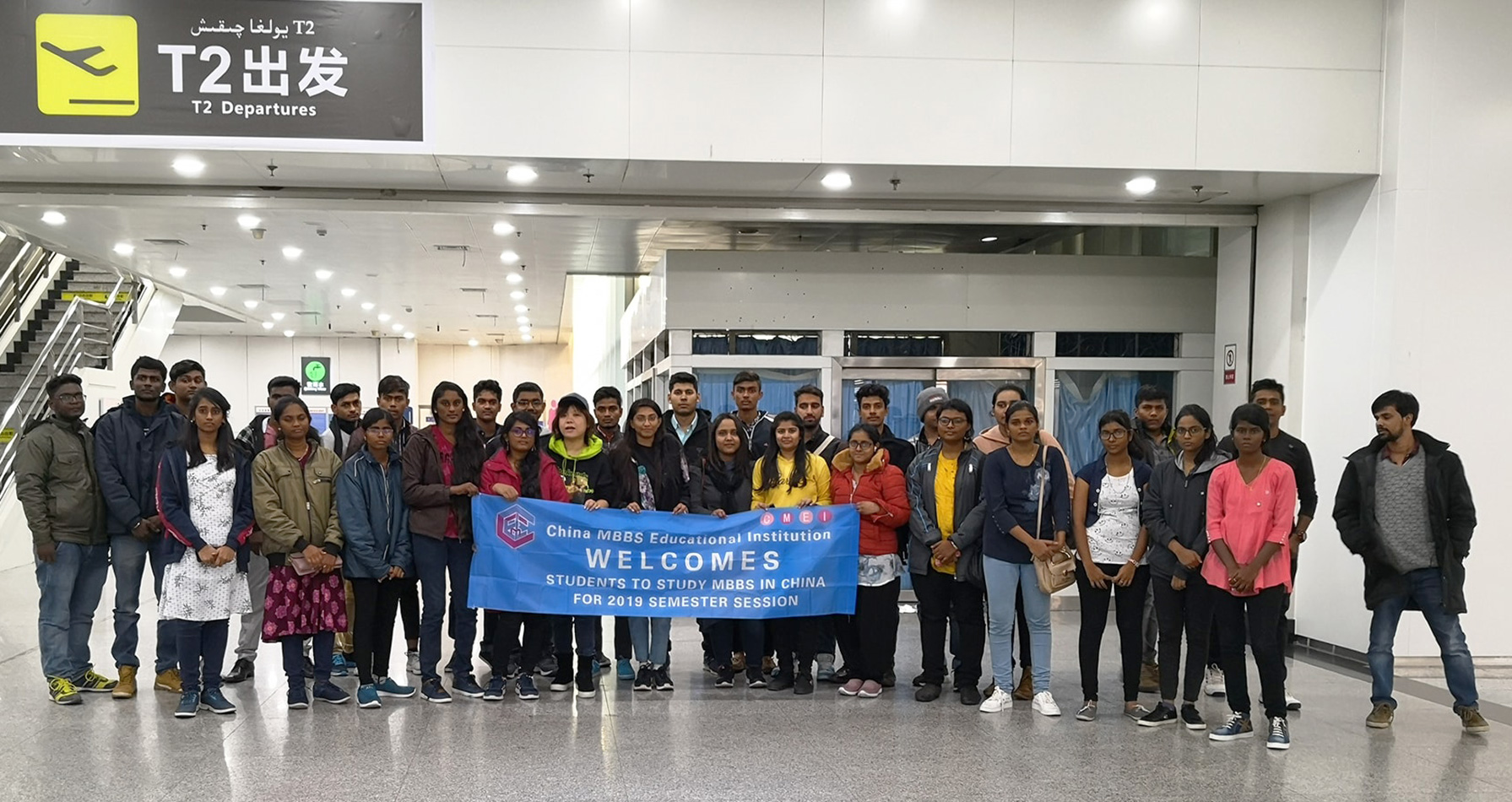
🎓 MBBS in China for International Students – Complete Guide
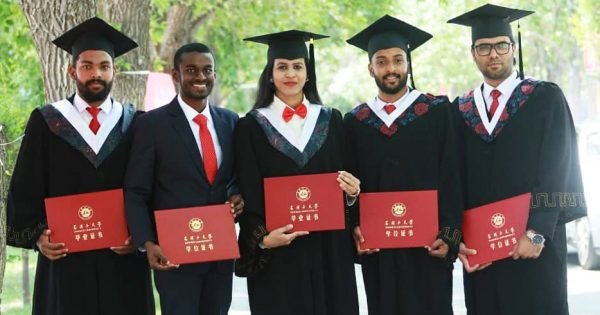
💰 Scholarships to Study MBBS in China
By planning your budget carefully and comparing universities based on both quality and affordability, you can make a confident investment in your medical education and future career.
Whether you're just beginning your research or preparing your application, we hope this guide has helped you better understand the complete cost of studying MBBS in China in 2026.
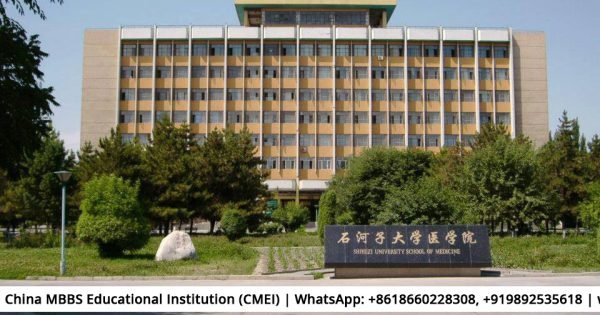
🏥 Top Medical Universities in China for MBBS
📋 MBBS Admission Process in China – Step-by-Step
⭐ Need Help Choosing the Right University?
Expertise: MBBS admissions in China, NMC-recognized universities, scholarships, student visas, and international student guidance.
Experience: Assisting international students with medical admissions in China for over 15 years.
Last Reviewed: July 2026
Update Schedule: This guide is reviewed periodically to reflect changes in tuition fees, university policies, scholarship opportunities, and admission requirements.
Notice an outdated fee or university policy? Please contact our team so we can review and update this guide for future students.