
Every year, thousands of Indian students search for the actual MBBS in China fees before deciding whether studying medicine abroad is financially possible. Tuition fees, hostel accommodation, food, travel expenses, and hidden costs all contribute to the total investment. This guide explains the complete MBBS in China fee structure for Indian students in 2026, helping families make informed decisions before applying.
A father in Kanpur once told me his son missed a government medical seat by four marks. Four. That single number sent the whole family down a rabbit hole of Google searches, WhatsApp forwards from trusted agents, and sleepless nights about where the money would even come from. If that story sounds familiar, you are not alone. Every year, thousands of Indian families search late into the night trying to understand MBBS in China for International Students, admission requirements, and whether studying medicine in China is actually affordable.
This blog breaks down what studying medicine in China actually costs in 2026, without sugarcoating or scare tactics. Tuition, hostel, food, visa, flights, the works. By the end, you’ll know roughly what a full six-year MBBS journey looks like on paper, and where the surprise expenses tend to hide.
Why Fees Vary So Much Across Chinese Universities
Not every Chinese medical university charges the same. Some are older, government-subsidized institutions with modest campuses and lower fees. Others are newer, flashier, with better labs and a bigger international student base, and they charge accordingly.
Location plays a role too. A university in Shanghai or Beijing tends to cost more just because city living is pricier there. Somewhere like Shihezi or Yangzhou, the numbers drop noticeably, partly because these are smaller cities where rent and daily expenses are cheaper across the board.
Ranking also matters, though not always in the way people assume. A few mid-ranked universities actually charge more than well-known ones simply because they’ve built a reputation for strong English-medium teaching and modern infrastructure. It’s worth remembering that the most expensive option isn’t automatically the best one for FMGE or Next prep later.
Average MBBS in China Fees in 2026 (Tuition, Hostel & Living Costs): The Real Numbers
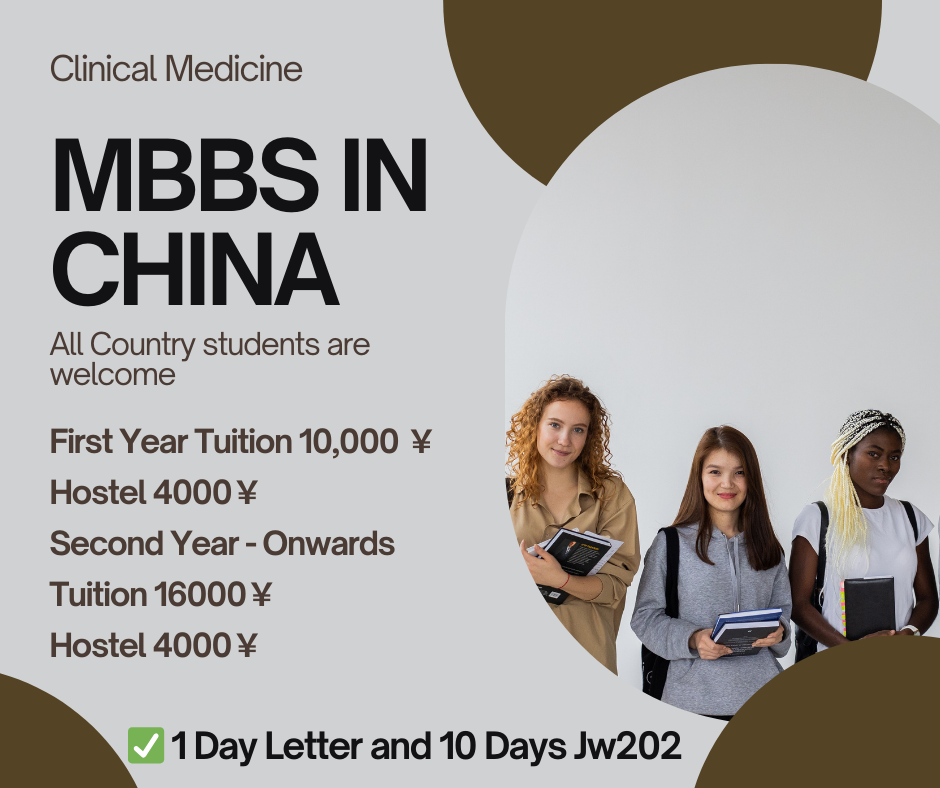
Based on current admission cycles, here’s roughly what Indian students are paying per year across most NMC-recognized universities.
Expense | Average Annual Cost |
Tuition | $3,500–6,000 |
Hostel | $800–1,500 |
Food | $100–150/month |
Insurance | $100–300 |
Books | $200–400 |
Add it up, and a single academic year usually lands somewhere between $4,500 and $7,500, which converts to roughly ₹3.8 lakh to ₹6.3 lakh depending on the rupee-dollar rate that week. Over six years, that’s a total investment somewhere in the ₹25 to ₹40 lakh range for most students, before scholarships are applied.
Compare that with many private medical colleges in India, where the total cost can exceed ₹1 crore, depending on the institution, and the gap starts making sense.
Hidden Costs of Studying MBBS in China
This is the part most brochures skip, and honestly, it’s the part that frustrates parents later. Visa fees run somewhere around $50 to $150, depending on how long the process takes and whether you use an agent. Flight tickets to China from most Indian cities cost anywhere from ₹25,000 to ₹45,000 one way, more during peak admission season in August and September.
Health insurance is mandatory in most Chinese universities and usually adds $100 to $300 per year. Some universities also charge a one-time registration or admission processing fee that ranges from $100 to $300, which students often forget to budget for because it’s a single upfront cost rather than something recurring.
Then there’s the internship year, which in China now has to be completed within the country itself rather than back home. That final year can carry the same or sometimes a partial tuition charge, so students should verify internship tuition and administrative fees with their chosen university before admission.
Studying Medicine at Top Medical Universities in China
Through China MBBS Educational Institution (CMEI), aspiring doctors can secure direct admissions to Top Medical Universities in China, including Qingdao University, Shihezi University, and Jilin University. These prominent institutions offer WHO-listed and NMC-recognized English-medium MBBS programs tailored for international students. Featuring modern campus infrastructure, experienced faculty, affordable tuition fees, and comprehensive clinical training, these universities equip students with high-quality education and global exposure, ensuring a reliable pathway toward passing medical licensing exams and building a successful professional medical career worldwide.
💡 ChinaMBBS Expert Tip
Many families focus only on annual tuition fees when comparing universities. In reality, differences in accommodation, city living costs, scholarships, and internship expenses can change the total six-year investment by several thousand dollars. Comparing the complete cost of attendance provides a much clearer financial picture than tuition fees alone.
Statistics:
For most students, tuition accounts for approximately 50–60% of the total six-year MBBS investment, while accommodation and living expenses make up another 35–40%.
MBBS in China Fees vs Studying in India or Russia
Numbers only mean something when you compare them. The private MBBS in China for international fees is ₹60 lakh to over ₹1 crore for the full course, government seats aside since those are extremely limited and competitive.
Russia sits a bit higher than China on average, often ₹4 to ₹6 lakh per year once hostel and food are included, though the exact figure depends heavily on the university and city.
China tends to land in the middle. Cheaper than most Indian private colleges, occasionally slightly less expensive than Russia, depending on the university chosen, and with the added benefit of a shorter course duration in several universities, which itself trims total spending.
How International Students Can Study MBBS in China Without Overspending
Scholarships genuinely change the equation here, and this is where a lot of families leave money on the table simply because they did not know these existed.
- Merit-based tuition waivers that some universities offer to students with strong academic records, sometimes covering 20 to 50 per cent of tuition
- Provincial government scholarships available for international students studying MBBS in China.
- Early application discounts that a handful of universities quietly offer to students who confirm admission well before the deadline
None of these is guaranteed, and eligibility criteria shift year to year, so it’s worth checking directly with the university or a consultant who tracks these updates regularly rather than relying on outdated blog posts.
First-Year MBBS Budget Example for Indian Students
Here’s what one student’s actual first year looked like, based on a mid-range university in Shandong province. Tuition came to $4,200. Hostel added another $1,000. Food and personal expenses over twelve months totaled close to $1,400. Insurance and registration together were about $350. Flights and visa processing added roughly $450 more.
That’s a total first-year spend of around $7,400, which is about ₹6.2 lakh at recent exchange rates. Years two through five tend to run slightly lower since the one-time admission costs disappear, usually settling closer to $5,500 to $6,500 annually.
Financial Aid and MBBS Scholarships in China
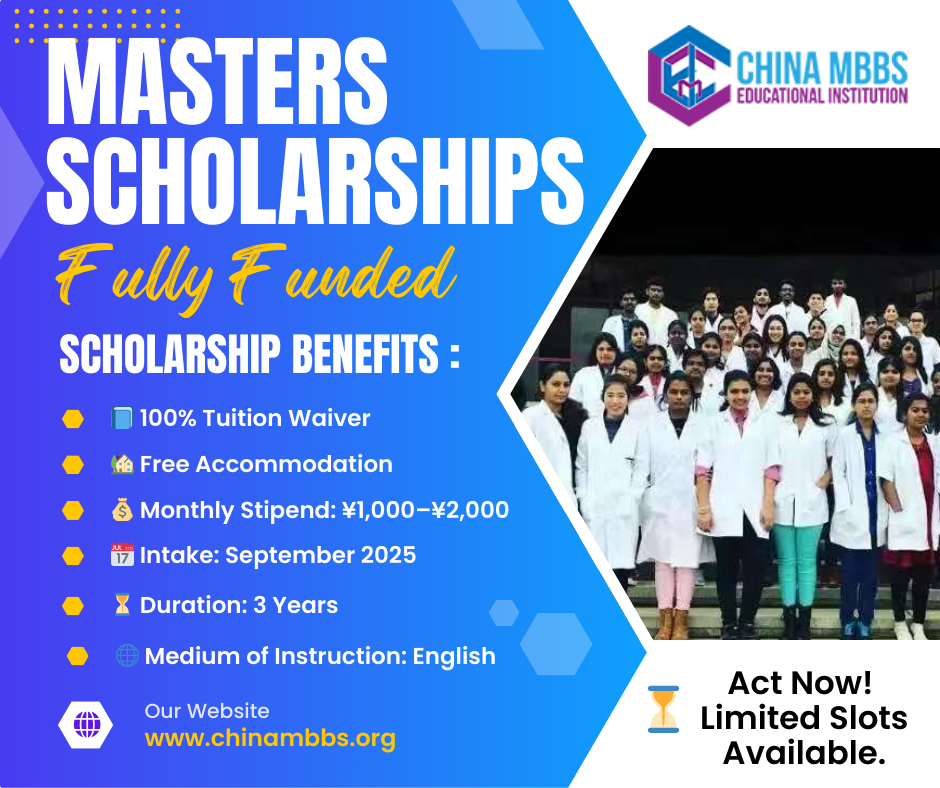
Securing financial support is a major advantage for international students, and exploring MBBS Scholarships in China makes medical education significantly more affordable. Many NMC-approved and WHO-listed universities offer partial or merit-based grants that help cover tuition and hostel fees. These funding opportunities allow aspiring doctors to pursue world-class training in English-medium programs without the burden of heavy financial constraints, opening doors to a successful global medical career.
Need Help Choosing the Right MBBS University in China?
Conclusion
Studying medicine abroad is a big decision, and fees are only one piece of a much larger puzzle that includes recognition, teaching quality, and post-graduation licensing success. The numbers above give a realistic starting point for 2026, but every university has its own fee structure and scholarship policy, so personalized guidance matters more than any single blog post ever could. MBBS in China Fees has spent years helping students navigate exactly this kind of decision, one honest conversation at a time.
Frequently Asked Questions
What are the average MBBS in China fees for Indian students in 2026?
Most students pay between $4,500 and $7,500 per year, including tuition and hostel, which totals roughly ₹25 to ₹40 lakh across the full course.
Is it cheaper to study MBBS in China than in Russia?
Generally, yes, though the gap has narrowed in recent years. China often works out slightly more affordable once hostel and food costs are factored in, but the exact difference depends on the specific university.
Do universities in China offer scholarships for MBBS in China for international students?
Yes, many universities offer merit-based tuition waivers, and some regions provide government-funded scholarships, though these vary year to year and require direct verification.
Are there hidden costs beyond tuition when planning to study MBBS in China?
Yes, visa fees, health insurance, flight tickets, and one-time registration charges all add up and are frequently left out of basic fee estimates.
Can Indian students pay MBBS tuition fees in installments?
Most universities allow annual payments, and some accept semester-wise installments, though policies vary, so confirming directly with the university helps.
Which Chinese city is the cheapest for MBBS?
Smaller cities like Shihezi and Yangzhou offer noticeably lower tuition and living costs compared to Shanghai or Beijing.
Does the internship year have separate tuition fees?
Yes, the internship year may carry full or partial tuition charges, so students should verify fees with their chosen university.
Can scholarships reduce the total MBBS cost?
Yes, merit-based waivers and provincial scholarships can significantly lower tuition, sometimes covering 20 to 50 per cent of costs.