
Every year, thousands of international students choose to study in China because of its affordable tuition, globally recognized universities, and generous scholarship opportunities. Whether you’re planning to pursue medicine, engineering, business, or another degree, understanding the practical aspects of student life is just as important as selecting the right university.
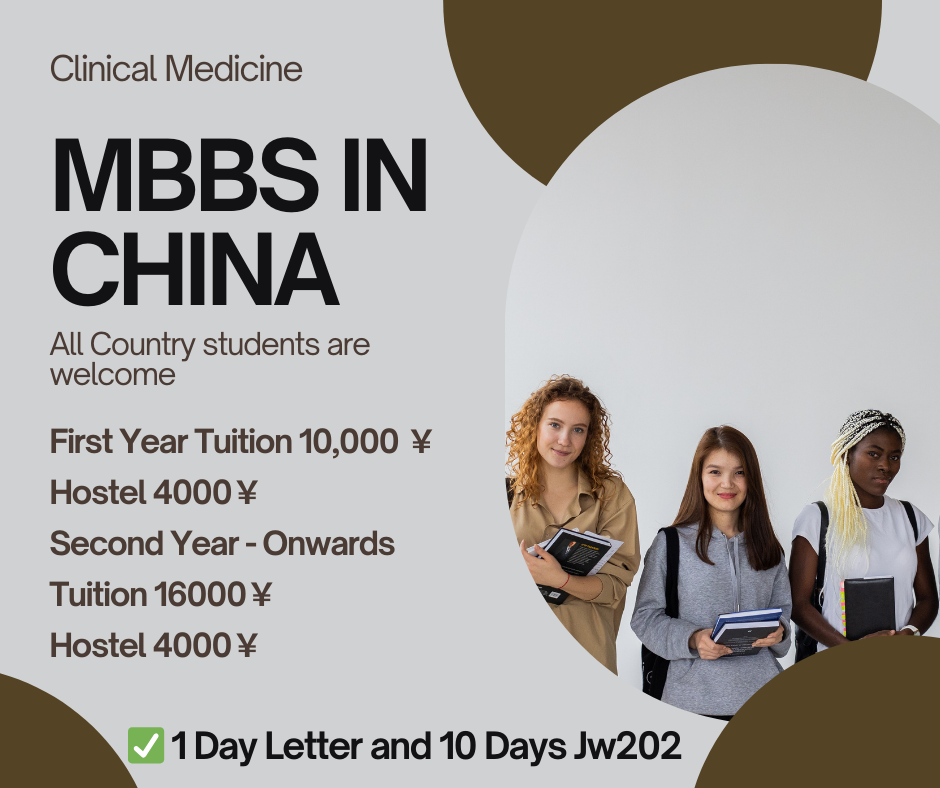
If you’re planning to Study MBBS in China,
A student from Kerala once told me she packed three suitcases for her first semester in Qingdao and used exactly half of what she brought. Sitting in a cupboard, untouched, because she had no idea what daily life there would actually look like.
That’s the real problem with moving abroad. Nobody tells you the boring, practical stuff until you are already stuck figuring it out on your own.
If you are planning to study in China, this guide covers the three things that trip up almost every first-time student: getting your visa sorted, finding a decent place to stay, managing living costs, and adjusting to life once you actually land.
China Student Visa Requirements
Visa paperwork feels scarier than it actually is. Once a university accepts you, they issue an admission letter along with a JW202 or JW201 form. These two documents are non-negotiable; without them your visa application doesn’t move forward at all.
If you’re unsure about the documentation, it’s always helpful to understand the complete China admission process:
Here’s roughly how the timeline plays out for most students:
- The university sends an admission letter and a visa form (usually 6–10 weeks after applying).
- You submit these along with your passport, medical certificate, and passport-sized photographs to the Chinese consulate.
- Your X1 or X2 student visa is processed, typically within 4–15 working days.
One thing nobody warns you about is the medical examination requirement. China requires a physical examination form completed by an approved doctor using the official format. Using a standard hospital form can delay your application.
Visa policies may change from year to year, so always verify the latest requirements with your university or the Chinese embassy before submitting your application.
Student Accommodation in China
Housing in China generally falls into two categories: university dormitories and off-campus apartments.
- On-campus dormitories: Shared rooms with basic furniture, heating or air conditioning. Annual costs generally range from $500–$1,200, depending on the university and city.
- Off-campus apartments: More independence and privacy but higher costs, utility bills, rental agreements, and possible language barriers.
For most first-year international students, university accommodation remains the best option because it helps them settle in faster and build friendships.
Scholarships in China for International Students
Scholarships in China come in several categories.
- Chinese Government Scholarship (CSC)
- Provincial Scholarships
- University Scholarships
Many scholarships cover tuition fees, accommodation, and monthly living allowances. Others may only cover tuition, so it’s important to read the scholarship details carefully.
Students researching overall education costs should also review:
When selecting a university, comparing the top medical universities in China can also help you identify institutions offering better scholarship opportunities:
A student studying medicine in Zhengzhou mentioned her scholarship covered almost 60% of her yearly expenses but did not include meals or personal spending. This is common, so always understand exactly what your scholarship covers.
Universities also review academic performance after the first year, meaning good grades can improve your chances of receiving additional financial assistance.
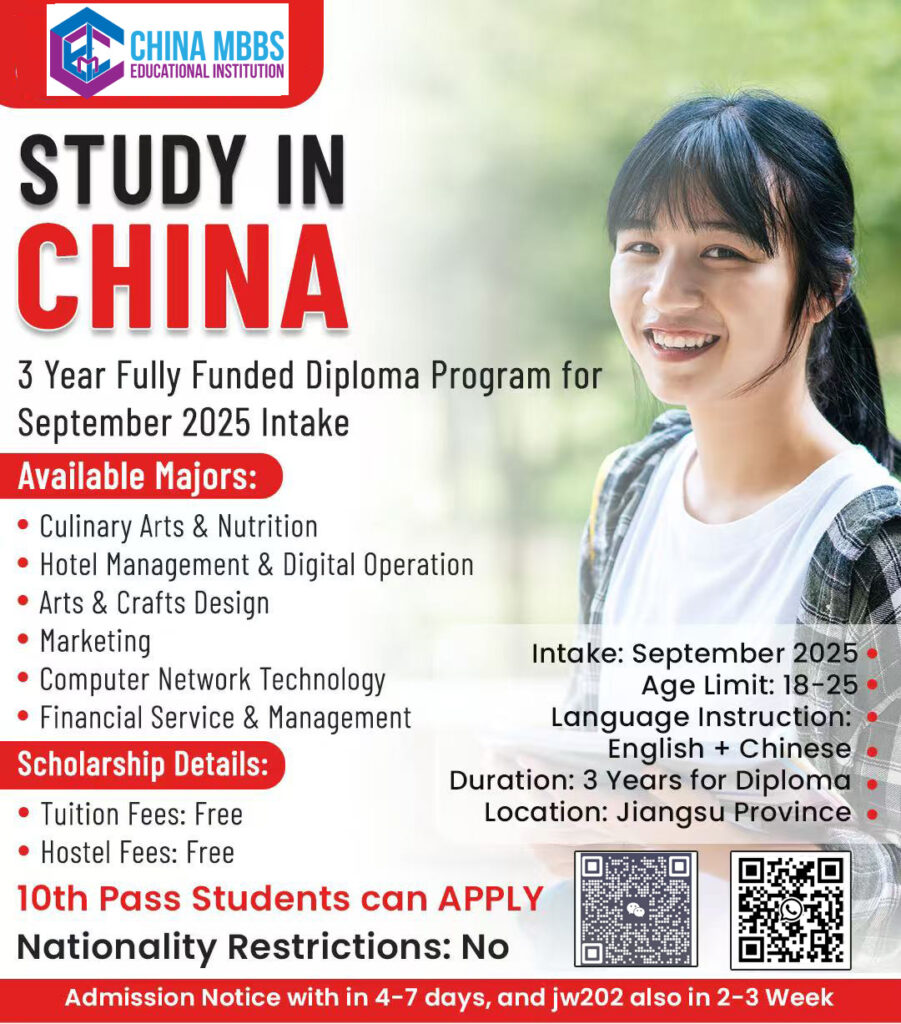
Diploma Scholarship in China: A Smart Alternative
Not every student wants to commit immediately to a four- or six-year degree.
A diploma scholarship in China offers a shorter study pathway, usually lasting one or two years, in fields such as:
- Chinese Language
- Engineering
- Hospitality
- Business
- Technical Studies
These programs often have lower admission requirements while still providing scholarship opportunities.
Students considering MBBS but unsure about committing to a long medical degree may find diploma programs a practical introduction to studying in China.
Cost of Living in China for International Students
Although tuition is affordable, students should also budget for monthly living expenses.
Expense | Average Monthly Cost |
Food | $120–200 |
Transport | $10–30 |
Mobile | $5–15 |
Personal Expenses | $50–100 |
Total | $200–350 |
Living costs vary depending on the city. Beijing and Shanghai are naturally more expensive than smaller cities.
Daily Life for International Students in China
The first few weeks in China usually feel overwhelming, but most students settle in quickly.
Simple things that make the transition easier include:
- Getting a local SIM card immediately.
- Learning a few basic Mandarin phrases.
- Joining your university’s international student groups.
- Exploring your campus and nearby facilities during orientation.
Food is generally affordable, with university cafeterias offering meals for under a few dollars. Most students gradually balance eating on campus with cooking simple meals themselves.
Safety is another pleasant surprise. Most university campuses are well-lit, secure, and monitored around the clock.
Internet and Mobile Apps in China
Staying connected is one of the first things international students think about after arriving in China. The internet works well in most cities and university campuses, with Wi-Fi available in dormitories, libraries, classrooms, and many public places. However, the online experience can be different from what you’re used to in your home country.
Some international websites and apps may not be available or may function differently in China due to local internet regulations. Before you travel, it’s a good idea to check which communication, email, and social media services you’ll rely on and explore suitable alternatives if needed.
For everyday life, most students quickly become familiar with a few essential local apps:
App | Purpose |
WeChat (微信) | Messaging, voice and video calls, digital payments, and university communication |
Alipay (支付宝) | Mobile payments, online shopping, utility bills, and public transportation |
Didi | Taxi and ride-hailing services |
Baidu Maps | Navigation and public transport routes |
Pleco | Chinese-English dictionary and language learning |
Many universities communicate important announcements, class updates, and campus activities through WeChat groups, so installing the app soon after arrival helps students stay informed and connected.
With a local SIM card, reliable internet access, and the right apps installed, most international students adapt to daily life in China within the first few weeks.
Common Mistakes International Students Make in China
Some of the most common mistakes include:
- Packing unsuitable clothing for northern China’s cold winters.
- Forgetting to register with the local police within 24 hours of arrival.
- Carrying excessive cash instead of opening a local bank account.
- Delaying installation of essential Chinese mobile apps.
- Not understanding scholarship conditions before arrival.
Avoiding these simple mistakes makes your transition significantly easier.
Conclusion
Studying abroad always comes with a learning curve, and China is no exception. Preparing your visa documents early, choosing university accommodation during your first year, understanding scholarship coverage, and planning your monthly budget will make your move much smoother.
If you’re planning to Study MBBS in China, experienced guidance can simplify university selection, admissions, scholarships, and visa applications.
If you’re still deciding on the right education partner, read our guide on choosing an MBBS consultant:
Planning to Study in China?
Whether you’re applying for MBBS, engineering, business, or another degree, our experienced counselors can help you choose the right university, prepare your documents, apply for scholarships, and guide you through every step before departure.
FAQs
What documents are required for a China study visa?
You’ll need your admission letter, JW202 or JW201 form from the university, a valid passport, medical examination report in the required format, and passport-sized photos. Processing usually takes 4–15 working days depending on the consulate.
Are scholarships in China available for undergraduate students?
Yes. Undergraduate students can apply for Chinese Government Scholarships, provincial scholarships, and university-specific scholarships. Benefits vary depending on the scholarship.
What is a diploma scholarship in China?
It is a funded short-term academic program lasting one to two years that helps students study language, business, engineering, or technical subjects before pursuing a full degree.
Is on-campus accommodation better than renting an apartment?
Yes. For first-year international students, university dormitories are generally more affordable, convenient, and better for adjusting to campus life.
Can international students work part-time while studying in China?
Part-time employment is subject to current visa regulations and university approval. Students should always check the latest policies with their university and local authorities before accepting any work.